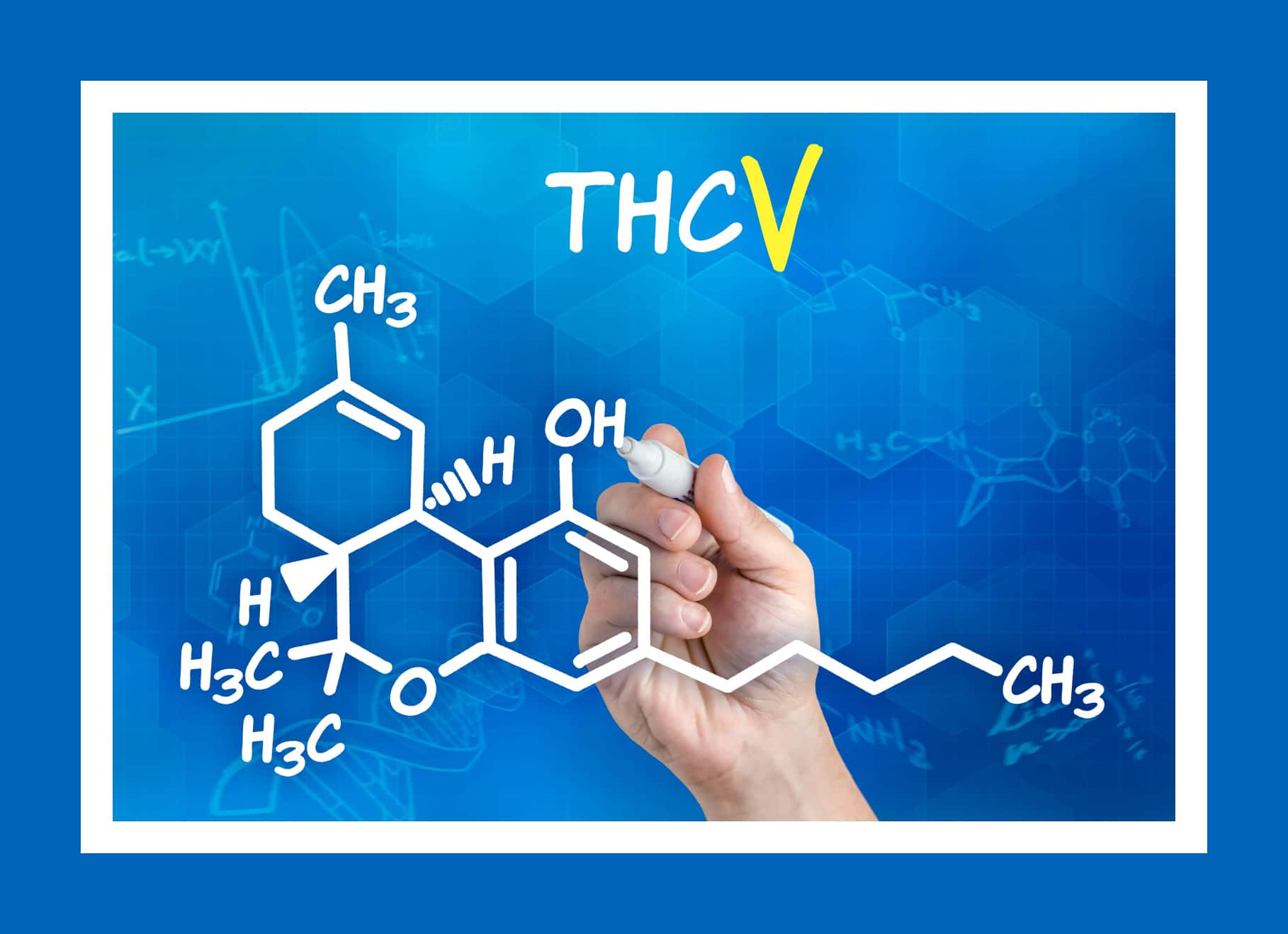
Tetrahydrocannabivarin (THCV) is a cannabinoid substance discovered in marijuana and hemp plants. It's chemically comparable to tetrahydrocannabinol (THC) but with some essential differences. Here's whatever you require to learn about THCV including the threats, advantages, distinctions, and resemblances with other types of THC and more. What Is THCV? THCV is a less typical cannabinoid discovered in some stress of marijuana, specifically African sativa.
 What is THCV? Understanding “Diet Weed” - Elevate Holistics
 What Is THCV and What Are the Benefits of This Cannabinoid?
 What is THCv? THCv Effects Verilife
THCV has a 3-carbon side chain rather than THC's 5-carbon side chain. This distinction is subtle, however it has a noticeable effect on the effect profile. THCV is somewhat psychedelic but just about and about. What Does THCV Seem like? THCV has a strong energy-boosting part to it, that makes it especially popular amongst students and athletes.
In the United States, THCV policy is nuanced. THCV is not a Schedule I Drug, but marijuana extracts are making it rather unclear what the federal position is on THCV. The 2018 Farm Expense specifies that hemp plants and all derivatives of the plants are legal on a federal level, many companies comply with this law and still provide THCV to clients by just drawing out the substance from hemp plants.
If THCV is thought about a THC analog, it might be controlled in the future by the very same rules as THC under the Federal Analog Act. This act states that any compound that shares a similar molecular profile as a known prohibited substance it's consisted of in the same drug Set up classification.
What Are the Impacts of THCV? Advocates of THCV report that it produces an intense burst of energy and makes them feel euphoric without the psychological cloudiness triggered by THC. The results are incredibly moderate compared to THC. The effects are nearly exclusively cognitive yet in some way have very little impact on headspace.
2. THCV & Appetite Some THCV users declare that it curbs their hunger. This is a typical effect of other focus-enhancing substances as well. It's as though THCV gets rid of the distraction of other physical processes (like cravings) in order to maintain resources and attention to cognitive tasks rather. How Does THCV Work? Cannabinoids produce biological effects in the human body by interacting with endocannabinoid receptors.
CB1 receptors are situated in the nerve system and communicate with neurotransmitters in the brain to produce mind-altering effects. Interaction with CB1 sites is what provides some cannabinoids like THC their psychoactivity. THCV is a bit tricky to understand due to the fact that it's primarily a CB1 villain, implying it has the opposite effect as THC.
While scientists are still seeking to understand this process, it appears THCV is able to block the impacts of CB1 in low doses and stimulate them in high doses. CB2 receptors are discovered mostly in the immune system. THCV is a partial agonist of CB2, but the results of this partial activity aren't widely known, and it apparently has no noticeable impact on THCV users' experience.
As mentioned in the previous area, THCV is a CB1 antagonist in low dosages which is the specific opposite result of delta 8 and delta 9 THC. This could suggest that THCV counteracts some of the psychedelic impacts of THC. This impact might discuss why people who utilize THCV feel so clear-headed specifically compared to the notorious "fogginess" induced by delta 9 THC.